Workplace Inclusion: 4 Common Myths (and the Truth Your Team Needs to Hear)
I’ve been thinking a lot lately about the weight we carry when we work in mission-driven spaces. Whether you’re leading a nonprofit, running a youth program, or managing a community task force, there is this beautiful, shared desire to do good in the world. We want to solve big problems, help people, and make a difference.
But often, in our rush to serve the mission, we forget that the "mission" doesn't just happen out there in the community; it starts right here, inside our own teams.
At The Inclusion School, we talk a lot about creating workplaces people don’t have to recover from. It sounds simple, but it’s actually some of the most courageous work a leader can do. It requires us to slow down, look at our culture with radical honesty, and dismantle the myths that keep us stuck in old, harmful patterns.
Lately, I’ve noticed a few recurring myths that tend to pop up when teams talk about Diversity, Equity, and Inclusion (DEI). These myths aren't usually shared out of malice; they usually come from a place of exhaustion or a lack of tools. But they act like invisible barriers, preventing us from building the kind of psychological safety and belonging our teams truly need.
Let’s unpack four of the most common myths together. I want to offer you an invitation to look at these truths not as another "to-do" list, but as a path toward a more sustainable, healing-centered workplace.
Myth 1: DEI is a 'distraction' from the mission
The Truth: DEI is infrastructure, the soil that makes the mission possible.
I hear this a lot from founders and executive directors who are stretched thin. "Chiany, we have a crisis to manage/a community to feed/a program to launch. We don't have time for DEI right now. It feels like a distraction from our real work."
I understand that pressure. The urgency of mission-driven work is real. But here is the thing: if your team is burnt out, feeling excluded, or navigating unaddressed conflict, your mission is already suffering.
Think of your mission like a garden. Your programs, your advocacy, and your services are the plants. If the soil (your culture) is dry, toxic, or neglected, it doesn't matter how much effort you put into the plants, they won't thrive long-term.
DEI is the infrastructure. It’s the soil. When we prioritize psychological safety and equity, we are creating a foundation where people can actually do their best work. When people feel seen and valued, they have more capacity to be creative, resilient, and connected to the mission.
Inclusion isn’t something you do in addition to your work; it is how you do your work.
Myth 2: DEI is about fixing 'broken' people
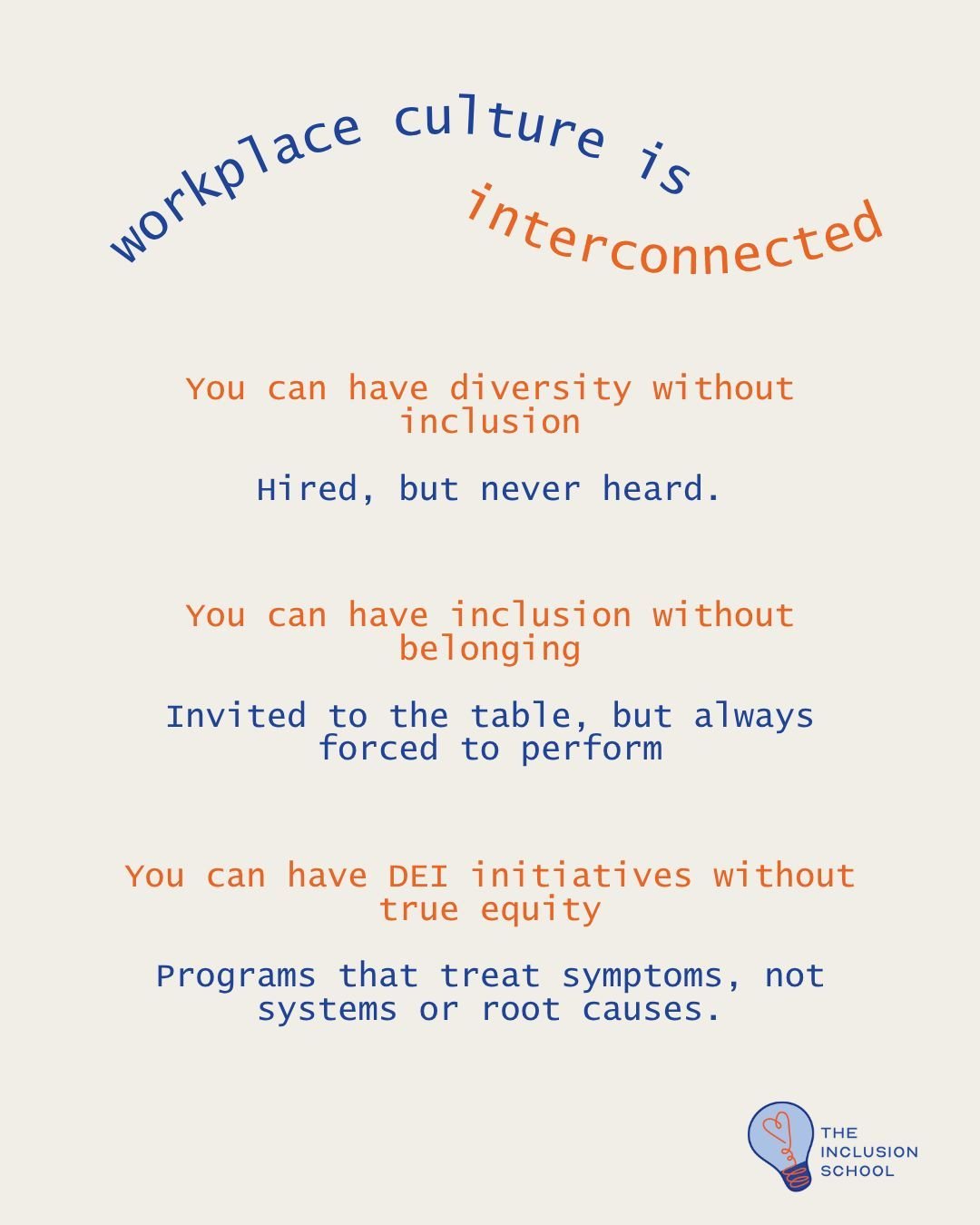
The Truth: It’s about systems vs. people, repairing workplace structures.
There is a common misconception that DEI training is about bringing in an expert to "fix" the people who aren't "doing it right." This approach feels punitive, and honestly, it’s why so many people get defensive when the topic comes up. No one wants to feel like they are a problem to be solved.
At The Inclusion School, we move away from this individual-focused, "shame-and-blame" model. Instead, we look at the systems.
Most workplace harm isn't caused by "bad people." It’s caused by outdated structures, biased hiring processes, and communication patterns that prioritize urgency over humanity. When we focus on culture repair, we aren't asking "What is wrong with you?" We are asking "What is happening in our system that is making it hard for you to thrive?"
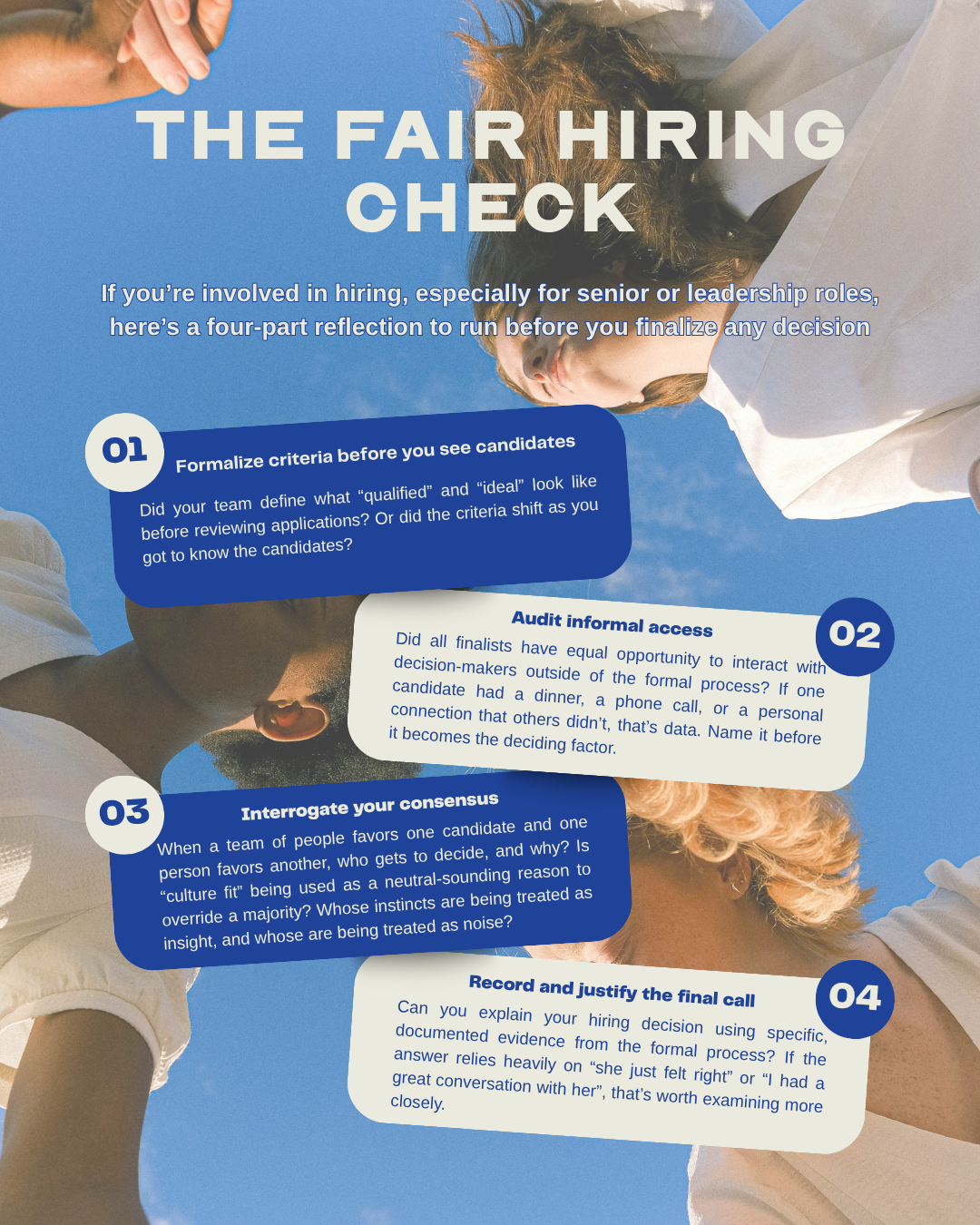
Maybe your hiring process accidentally filters out brilliant candidates who didn't take a traditional path. Maybe your meeting culture rewards the loudest voice and silences the quietest. By shifting the focus from fixing people to repairing systems, we create space for collective healing. It takes the pressure off the individual and puts the responsibility on the collective to build something better.
Myth 3: DEI is only for 'certain' groups
The Truth: Collective benefit, inclusion for the margins helps everyone.
One of the most persistent myths is that DEI is a "zero-sum game", that if we focus on supporting marginalized groups, we are somehow taking away from everyone else.
But equity isn't a pie; there’s enough for everyone. In fact, when we design our workplaces for those at the margins, everyone benefits.
This is often called the "Curb-Cut Effect." Think about the literal curb cuts in sidewalks. They were originally designed for people using wheelchairs. But once they were there, everyone used them, parents with strollers, travelers with suitcases, kids on bikes.
In the workplace, this looks like building flexible work policies, clear communication channels, and inclusive leadership practices. A team that is safe for a neurodivergent employee is a team that is more organized and clear for everyone. A culture that honors the lived experience of a person of color is a culture that is more honest and authentic for everyone.
When we stop viewing DEI as a "special interest" and start viewing it as a commitment to universal human dignity, the whole team grows stronger together.
Myth 4: DEI is a one-off checkbox
The Truth: It’s a continuous practice, not a one-time workshop.
I know how tempting it is to want a "quick fix." We all want to attend one workshop, get the certificate, and say, "Okay, we’re inclusive now!"
But building a healthy culture is more like physical therapy or learning a new language than it is like a one-off surgery. It requires practice over time.
The "checkbox" approach to DEI is often performative. It looks good on a website, but it doesn't change the daily experience of the people on your team. Real change happens in the small, quiet moments: how you handle a mistake, how you give feedback, how you show up for a colleague who is struggling.
We encourage organizations to move beyond the checkbox. This work isn't about being perfect; it’s about being present. It’s a long-term partnership with yourself and your team to stay curious, stay humble, and keep practicing.
Sustainability is key here. We don't want you to sprint toward "perfect inclusion" and burn out in six months. We want to help you build a practice that you can sustain for the next six years and beyond.
A Gentle Invitation to Begin
Navigating these myths isn't always easy. It requires personal and collective courage to look at the ways we've been taught to work and decide that we want something different: something more human.
If you’re reading this and feeling a bit overwhelmed, take a breath. Ground yourself. You don’t have to solve everything today. Inclusion isn't a test you pass; it's a way of being together that we practice every single day.
Our work at The Inclusion School is centered on supporting you in this journey. Whether you're looking for long-term consulting partnerships to repair your culture, or you're ready to dive into some of our free resources and toolkits, we're here to walk alongside you.
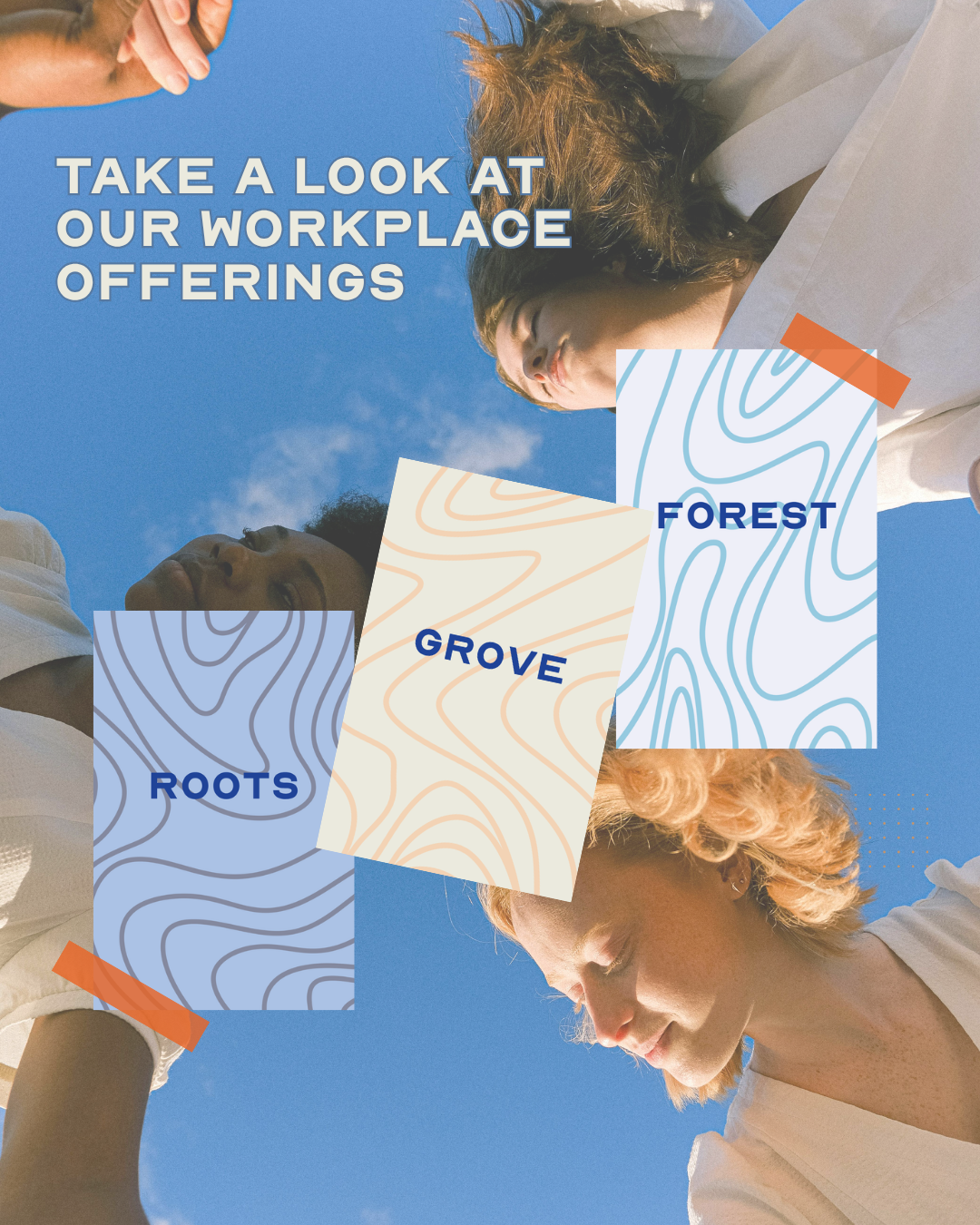
We offer different paths for different needs:
The Roots: For teams just beginning their grounding work.
The Grove: For organizations ready to deepen their systemic repair.
The Forest: For long-term sustainability and deep cultural transformation.
Whatever stage you're at, know that the effort you're putting in matters. Your team notices. The communities you serve notice. And most importantly, you are creating a workspace where you, too, can feel safe and supported.
Thank you for the heart you put into your work. Let’s keep building something beautiful together.
Warmly,
Chiany Dri
Founder, The Inclusion School