Beyond the Land Acknowledgement: 5 Ways to Actually Support Indigenous Communities at Work

As August 9th approaches, International Day of the World’s Indigenous Peoples, I find myself reflecting deeply on how we, as leaders, founders, and culture-builders, show up for Indigenous communities within our professional spaces. Established by the United Nations, this global observance celebrates and calls for the protection of Indigenous cultures, lands, and rights worldwide. It is a moment of recognition, yes, but even more importantly, it is a true call to action.
In many workplaces today, Indigenous inclusion begins and ends with a simple land acknowledgement.
And I want to be clear in saying that land acknowledgements do matter and serve a purpose. They are often the only visible acts of historical honesty. Speaking the names of the traditional stewards of the land we occupy is a vital counterweight to historical and ongoing erasure Indigenous communities experience. It grounds us in place and reminds us that the ground beneath our feet has a long, living history that was here long before our corporate offices and Zoom screens.
But when a land acknowledgement stands alone, unsupported by structural change, resource sharing, or accountability, it risks becoming something else entirely. It can become a form of performance. A comfortability ritual. A way for an organization to signal awareness and allyship while doing absolutely nothing to change the material conditions of Indigenous lives or help to dismantle the systemic inequalities that harm them.
At The Inclusion School, our work centers on building healthy workplace cultures where people actually want to be. These are workplaces we don't have to recover from every weekend or every break we take. That means moving beyond diversity as a checkbox into real, embodied practices that foster safety, belonging, and justice.
If your organization is ready to move past performative gestures and honor the spirit of International Day of the World’s Indigenous Peoples in a meaningful way, below are five concrete, actionable ways to begin.
1. Learn Whose Land You're On, And then Go Deeper
A land acknowledgement should never be recited like a script read off the back of a meeting agenda. It should be an invitation to ongoing learning.
Know the name of the Nation whose territory you occupy. Know their history, their stories of resilience, and what they are actively fighting for today, whether that is water protection, language revitalization, or the return of sacred lands.
Tools like the Native Land Digital map are really helpful starting places. Then, let them be precisely that: a starting point.
Invite your team to research the treaties associated with your region, understand the local tribal sovereignty, and educate yourselves on the contemporary issues facing Indigenous communities in your specific geographic area. Curiosity is the best pathway to understanding.
2. Direct Procurement & Vendor Dollars to Indigenous-Owned Businesses
Economic justice is a cornerstone of true inclusion. The same intentionality that many organizations apply to supporting diverse vendors during heritage months should be standard operating procedure year-round.
Take a hard look at your supply chain, vendor lists, and operational budgets. Actively seek out Indigenous-owned businesses, consultants, artists, caterers, and service providers. And when you work with them, pay them equitably, respect their terms, and pay them on time.
Economic sovereignty matters, and putting financial resources directly into the hands of Indigenous entrepreneurs is one of the most direct ways to build reciprocal community relationships.
3. Examine Your Hiring Practices and Internal Belonging
Inclusion cannot live solely in external communications. If you’re really going to embrace Inclusion as a practice, it has to be reflected in who walks through your doors and holds decision-making power within your team.
So, I want you to ask yourself: Are Indigenous identities represented in how you collect demographic data on your staff? Are Indigenous candidates represented in your applicant pools? Are your job descriptions and interview processes designed in ways that are accessible and culturally responsive, or do they rely on rigid, homogenous corporate norms that screen out diverse leadership styles?
Furthermore, if there are Indigenous employees already within your organization, what is their day-to-day experience of belonging? Are they carrying the invisible burden of educating their peers, or are they supported, valued, and empowered to lead without tokenization? For more guidance on cultivating environments where everyone can thrive, explore our inclusive leadership toolkit.
4. Compensate Indigenous Voices
Too often, organizations reach out to Indigenous community members, Elders, artists, or knowledge keepers asking for guidance, guest speaking, or cultural labor, and then expecting them to provide their wisdom for free or for "exposure." (Yikes)
This dynamic is not new; it is a modern echo of historical extraction.
If your organization invites Indigenous community members to share their time, stories, or expertise, compensate them generously and equitably. Never extract cultural labor in the name of awareness or education. Honoring someone’s expertise means valuing it financially, recognizing that sharing cultural knowledge requires emotional and intellectual energy that deserves robust reciprocity.
5. Support Indigenous-Led Organizations Financially
Recognition without resources is hollow. The grassroots organizations, legal defense funds, land trusts, and cultural preservation initiatives doing the most vital work in Indigenous communities are led by Indigenous people: and they need sustained financial backing.
Make charitable giving and community funding part of your organization's ongoing budget, not an afterthought. Donate. Fundraise. Advocate for policy changes that align with Indigenous self-determination. When we invest our resources into organizations led by those closest to the issues, we participate in healing-centered solidarity rather than passive observation.
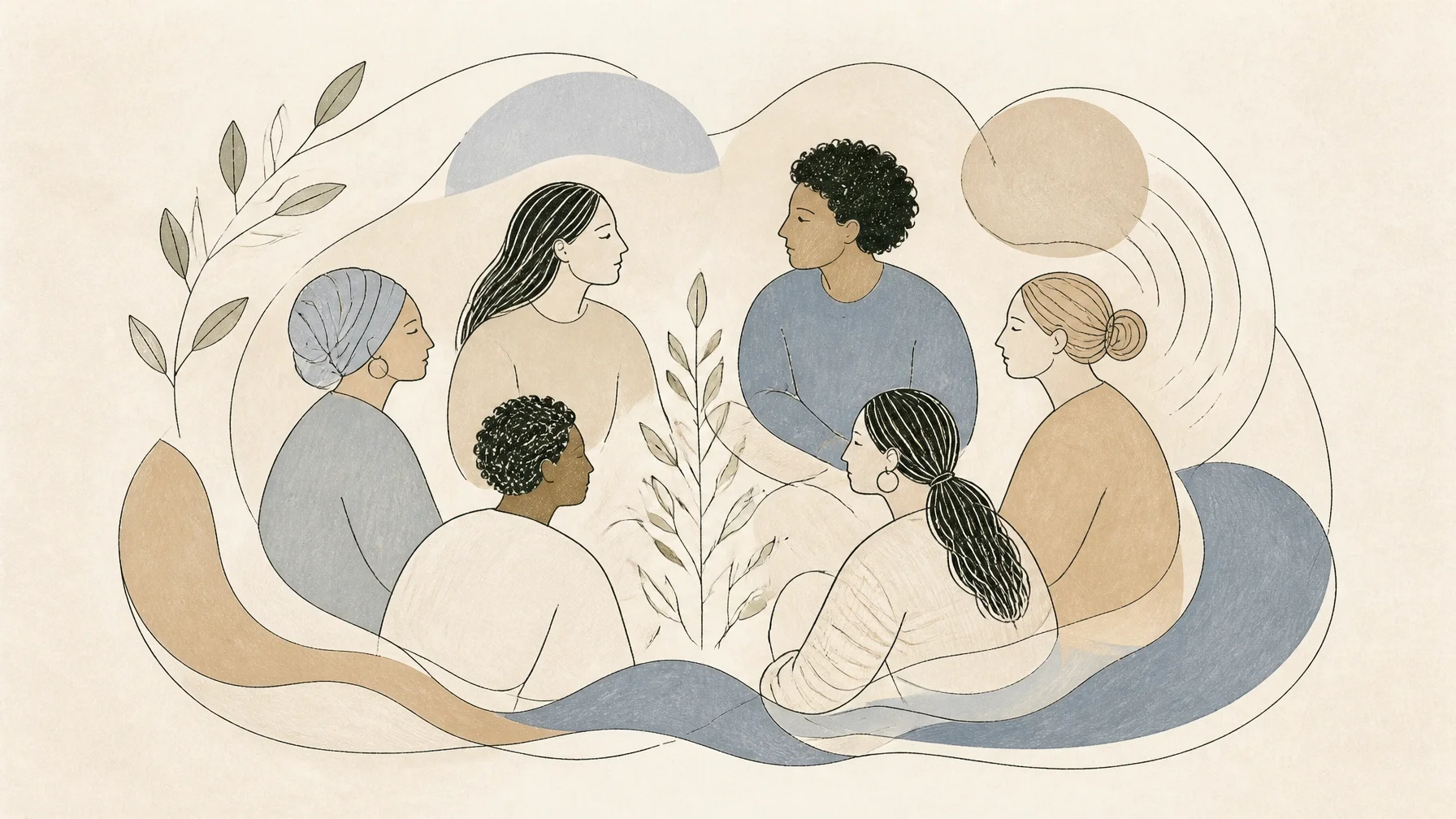
Moving Forward with Care and Consistency
Shifting our organizational habits isn't always easy, but it is deeply necessary. It requires us to trade perfectionism and urgency for patience, listening, and long-term commitment.
As you reflect on August 9th and look toward the future of your workplace culture, remember that supporting Indigenous communities is not a single-day checklist item. It is an ongoing practice of unlearning, repair, and genuine partnership. It’s where our professional growth meets our commitment to personal growth. This is where our worlds are deeply interconnected.
If your team is navigating how to deepen your commitments to equity, cultural safety, and authentic belonging, we invite you to learn more about our approach or read more insights on our blog. Together, we are building workplaces rooted in care, honesty, and mutual respect.
Warmly,
Chiany Dri
Founder, The Inclusion School